
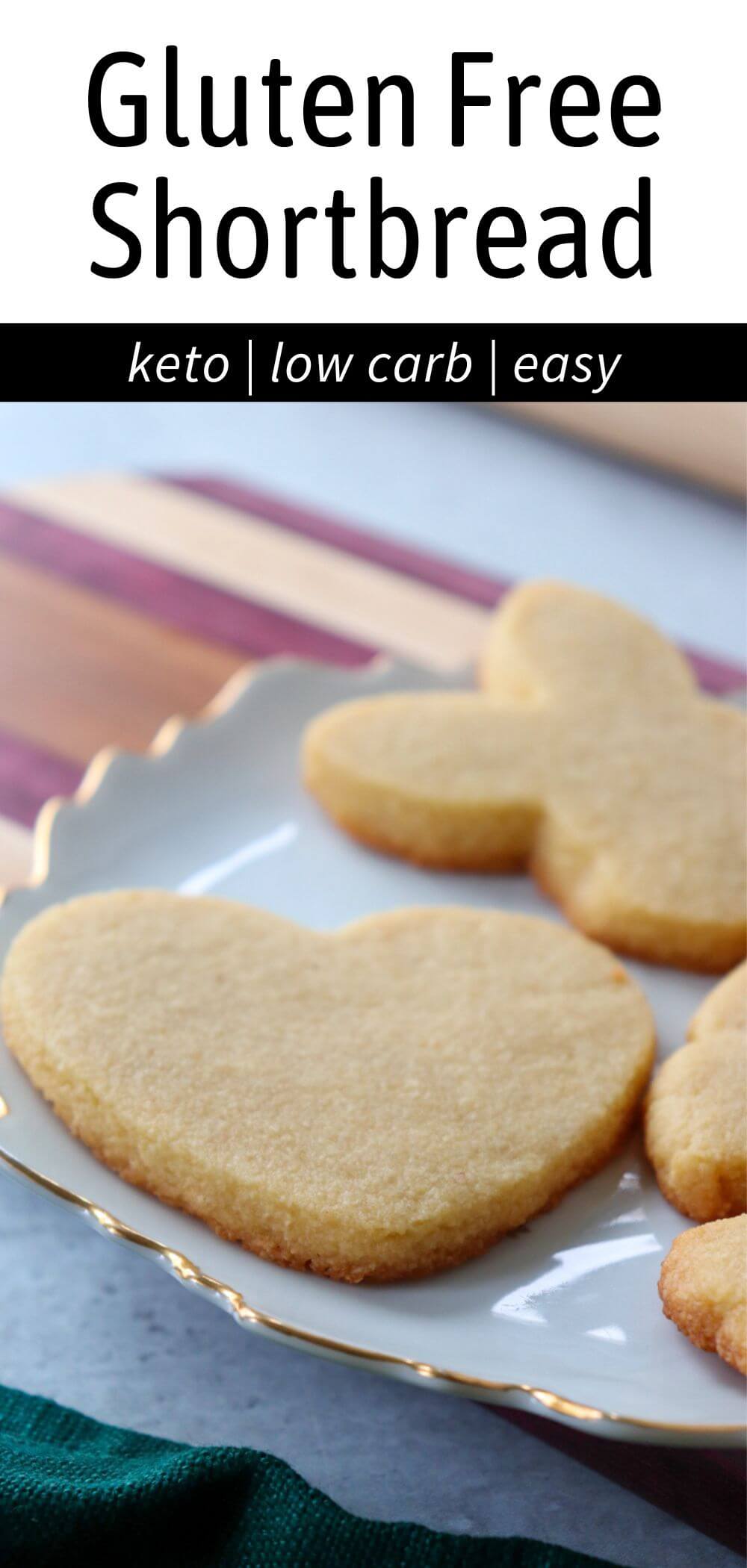
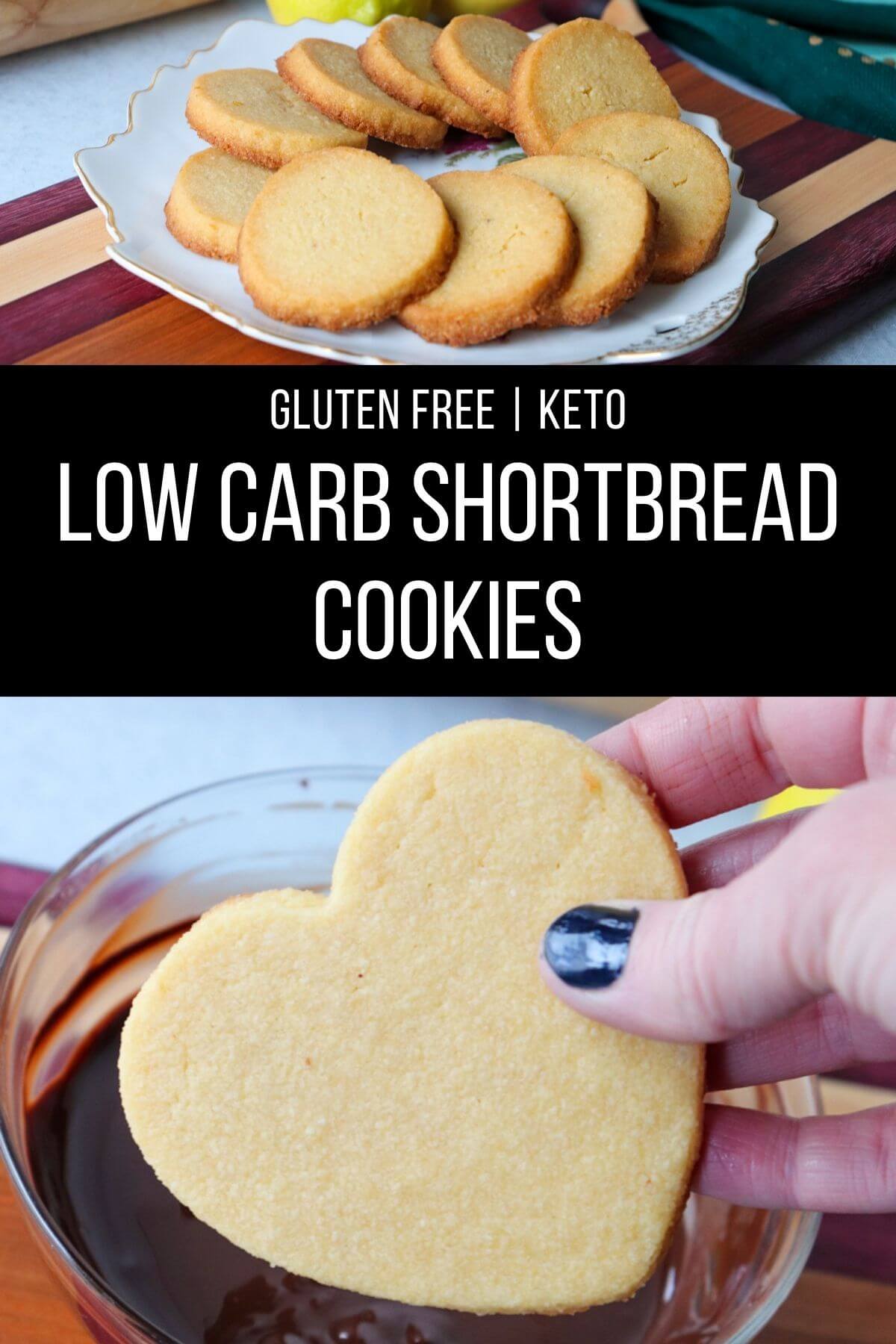
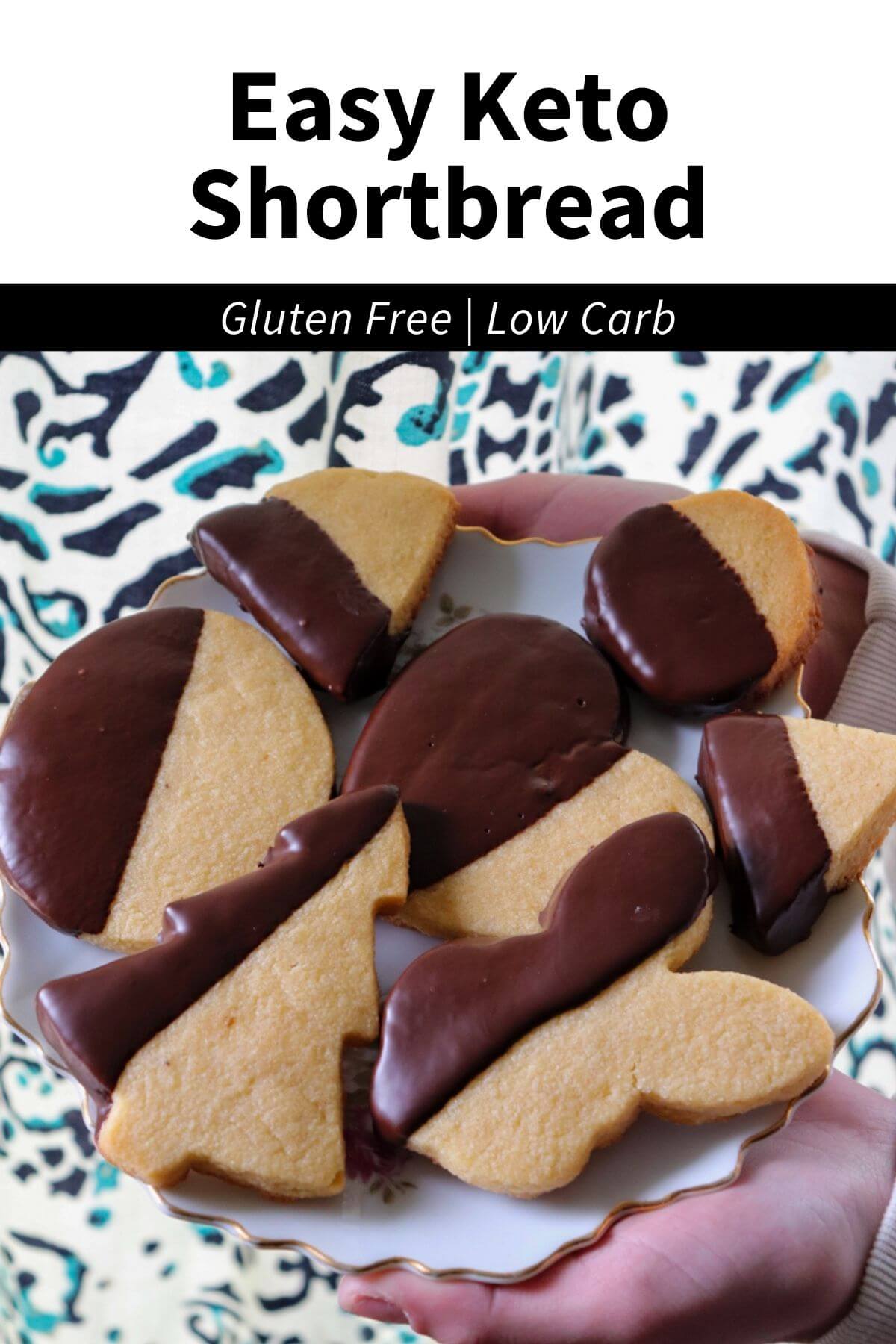
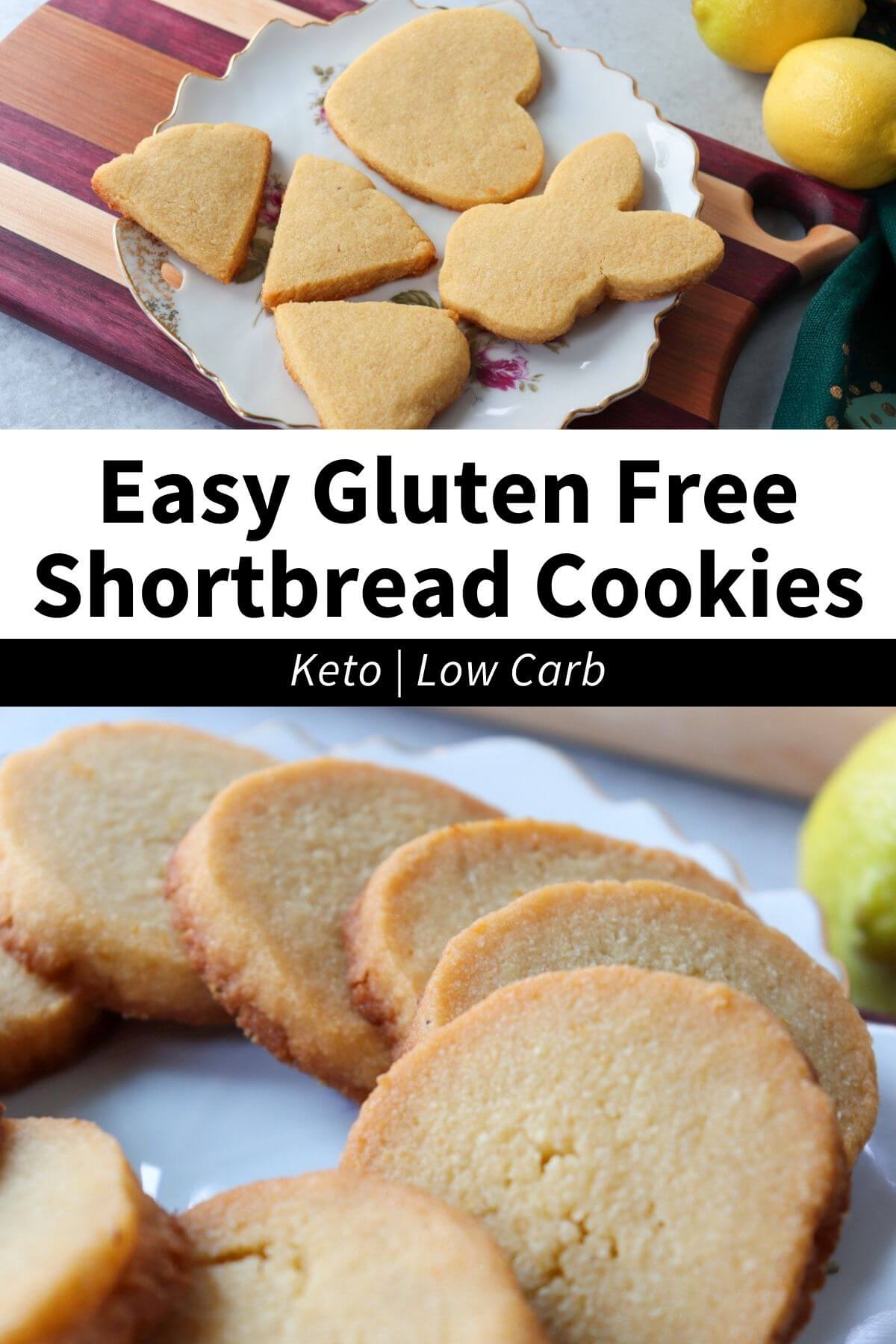
There are some recipes that feel like a warm hug, and gluten free shortbread is absolutely one of them.
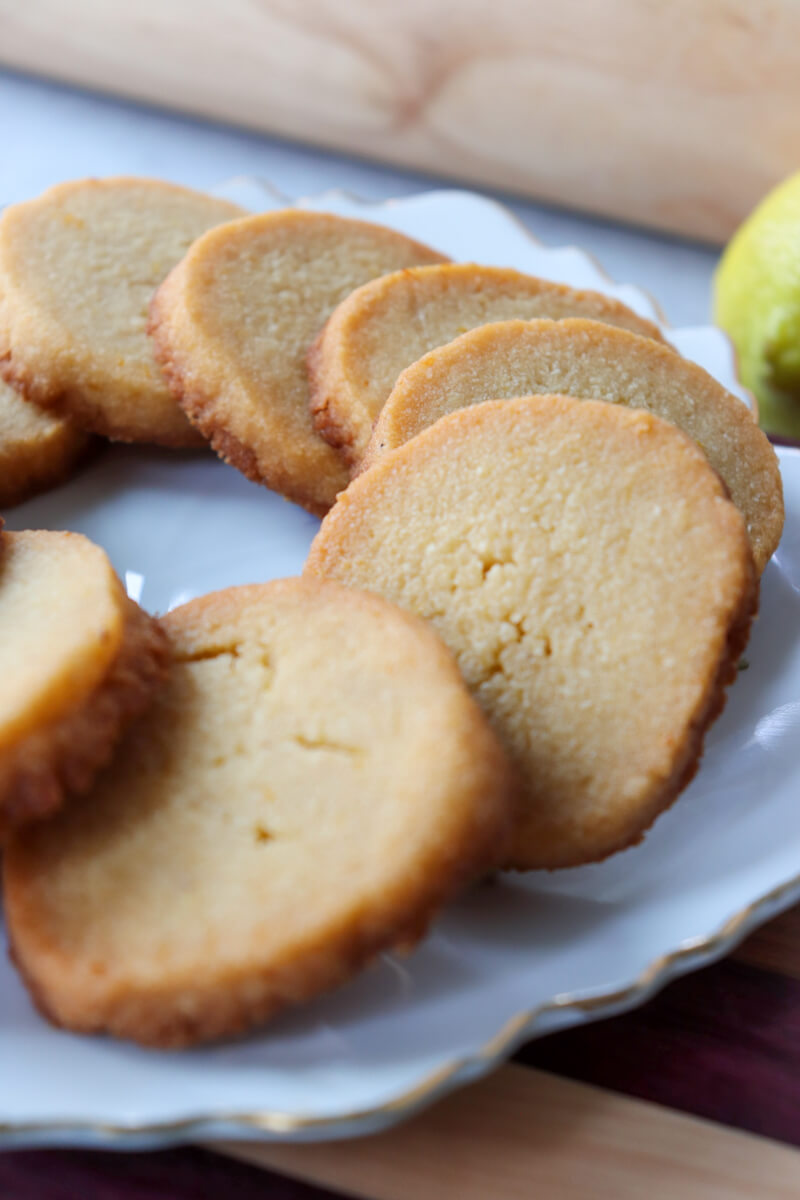
Gluten free shortbread is a classic example of gluten free food, safe, delicious, and made without compromising on taste or quality. It doesn't need frosting or sprinkles or fancy decorations. It doesn't ask you to pull out half your kitchen or learn a new baking technique just to get a decent cookie.
Shortbread has always been about simplicity, and that's probably why it's lasted for generations. Butter, a handful of ingredients, and that unmistakable melt-in-your-mouth texture that somehow feels both indulgent and comforting at the same time.
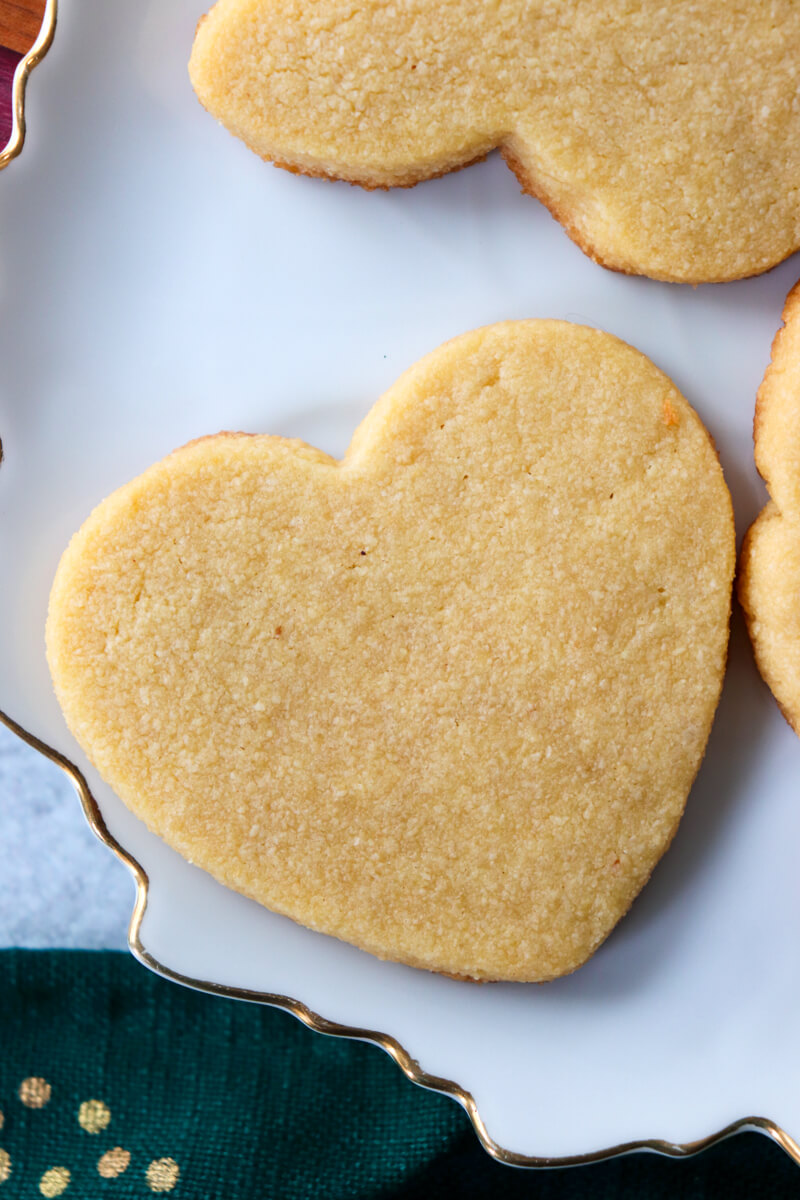
But if you're gluten free, you already know how frustrating it can be to recreate that classic experience.
So many gluten free cookies try too hard. They're dry, crumbly, gritty, or so complicated that by the time they're done, the craving has passed and the kitchen is a mess.
This shortbread cookie recipe exists to fix that. Not with fancy tricks. Not with hard-to-find ingredients. Just with a simple, reliable approach that actually works.
Jump to:
- A Real-Life Reason I Love Simple Gluten Free Baking
- This Gluten Free Shortbread Recipe Also Happens to Be Low Carb
- Kitchen Equipment You'll Need for Gluten Free Shortbread
- Minimal Tools, Maximum Reward
- Ingredients (Plus What to Look For)
- Optional Add-Ins for Flavor Variations
- How to Make Gluten Free Shortbread (Let's Do This Together)
- Holiday Variations for Keto Shortbread Cookies
- Gluten Free Shortbread Cookie Recipe FAQs
- Why Simple Recipes Matter More Than Perfect Ones
- A Gluten Free Shortbread Recipe You'll Memorize
- Pin it for later here:
- 📖 Recipe
- More Gluten Free Cookie Recipes to Try at Explorer Momma
A Real-Life Reason I Love Simple Gluten Free Baking
I'll be honest: I love cooking, but I don't love unnecessary complications and stress.
Between teaching, family life, travel planning, content creation, and all the everyday "Did anyone remember this?" moments, I need recipes that work. Recipes that don't require perfect timing or advanced planning or a very specific mood.
That's why simple gluten free baking matters so much to me.
When you're gluten free (whether by necessity or choice), desserts can quickly become exhausting. Either they're expensive, disappointing, or so fussy that they stop being enjoyable.
This gluten free shortbread recipe is the opposite of that.
It's a something you can make on a quiet afternoon. Or at the last minute. Or again and again because it's easy, predictable, and comforting. Those are the recipes that actually stick.
This Gluten Free Shortbread Recipe Also Happens to Be Low Carb
Now here's the happy bonus.
Because this shortbread cookie is made with almond flour and a powdered sweetener, it can naturally fit into a low-carb and keto-friendly lifestyle as well.
But that's not the point of the recipe; it's just a really nice side benefit.
I didn't want this cookie to taste like "diet food." I wanted it to taste like shortbread first and foremost. The fact that it works beautifully for gluten free, low-carb, and keto readers is exactly why it's become such a go-to in my kitchen.
It's inclusive without being complicated, and that's a win.
Kitchen Equipment You'll Need for Gluten Free Shortbread
One of the best things about this shortbread cookie recipe is that it doesn't require any special equipment. No stand mixer, no fancy gadgets, and no pulling out every bowl you own.
If you're making a double batch, using a large bowl can make mixing much easier and help achieve the right dough consistency. If you use a handheld mixer, the dough may turn out slightly crumbly. Try gently pressing it together or add a splash of water if needed.
If you can stir and bake, you can make these cookies.
Here's what you'll need, and a few notes on why each tool matters. If you want to roll out the dough for cut-out cookies, a rolling pin is especially useful.
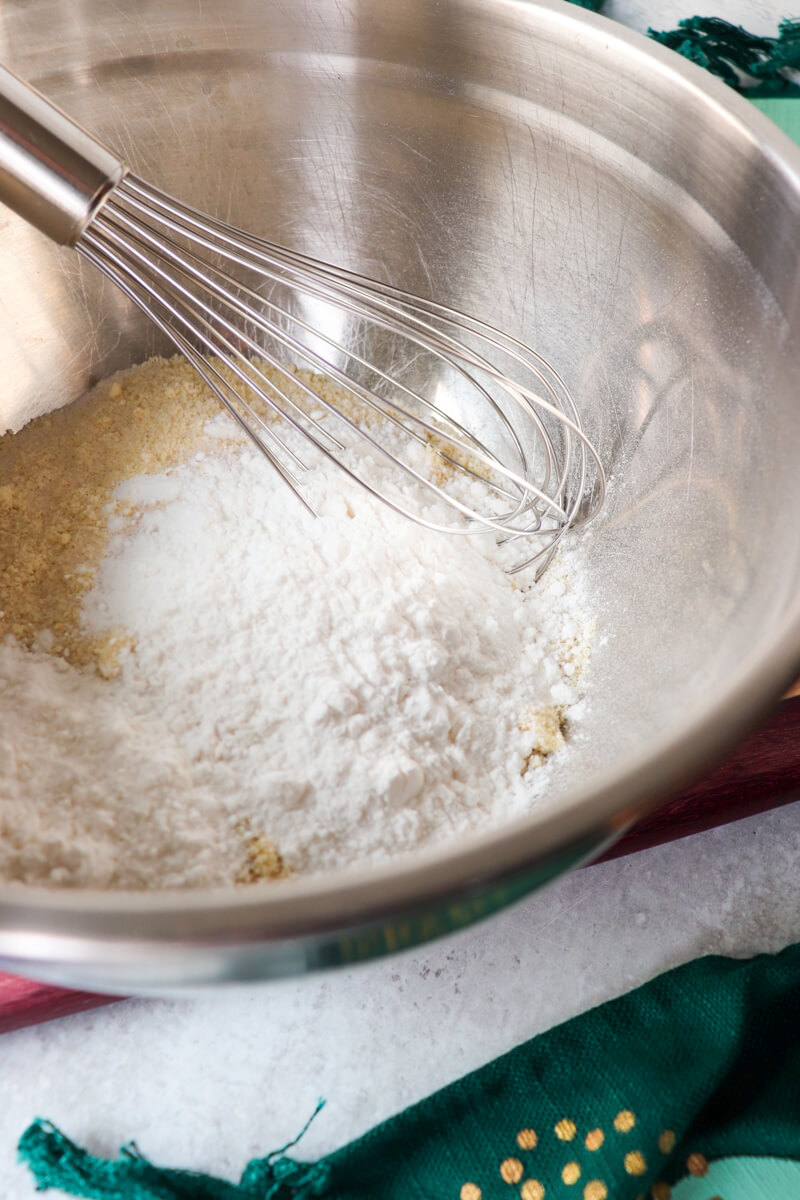
Mixing Bowl
A simple medium mixing bowl is all you need. Because the butter is melted, everything comes together easily with a spoon or spatula, no creaming, whipping, or extra bowls required.
Measuring Cups and Spoons
Accurate measuring matters in gluten free baking, especially when working with almond flour.
Use standard measuring cups and spoons for the best results. Lightly spoon the almond flour into the measuring cup and level it off, no packing needed.
Whisk or Silicone Spatula
A whisk or silicone spatula works perfectly for mixing the dough. You're looking for a soft dough that holds together when pressed, not something that needs to be overworked.
Baking Sheet
A standard rimmed baking sheet works best. This keeps the cookies stable and makes transferring them in and out of the oven easy. For best results, use a parchment lined baking sheet. This helps ensure even baking and makes it easy to remove the cookies without sticking.
If you're baking multiple batches, having two baking sheets on hand helps keep things moving.
Parchment Paper or Silicone Baking Mat
Lining your baking sheet with parchment paper or a silicone baking mat prevents sticking and makes cleanup incredibly easy. If you don't have either, you can also lightly grease the baking sheet to prevent sticking.
Spoon, Cookie Scoop, or Knife (for Shaping)
How you shape the cookies is completely up to you.
- A spoon or small cookie scoop works well for round cookies
- A knife or bench scraper is helpful if you're slicing dough into bars, or a sharp knife is especially useful for clean, precise cuts
- A spoon or your thumb is all you need for thumbprint cookies
- Cookie cutters required only if you want them
Cooling Rack (Optional but Helpful)
A cooling rack (or wire rack) helps the cookies cool evenly and firm up properly. While you can let them cool directly on the baking sheet, transferring them to a wire rack once set helps maintain that classic shortbread texture by allowing air to circulate around the cookies for even cooling.
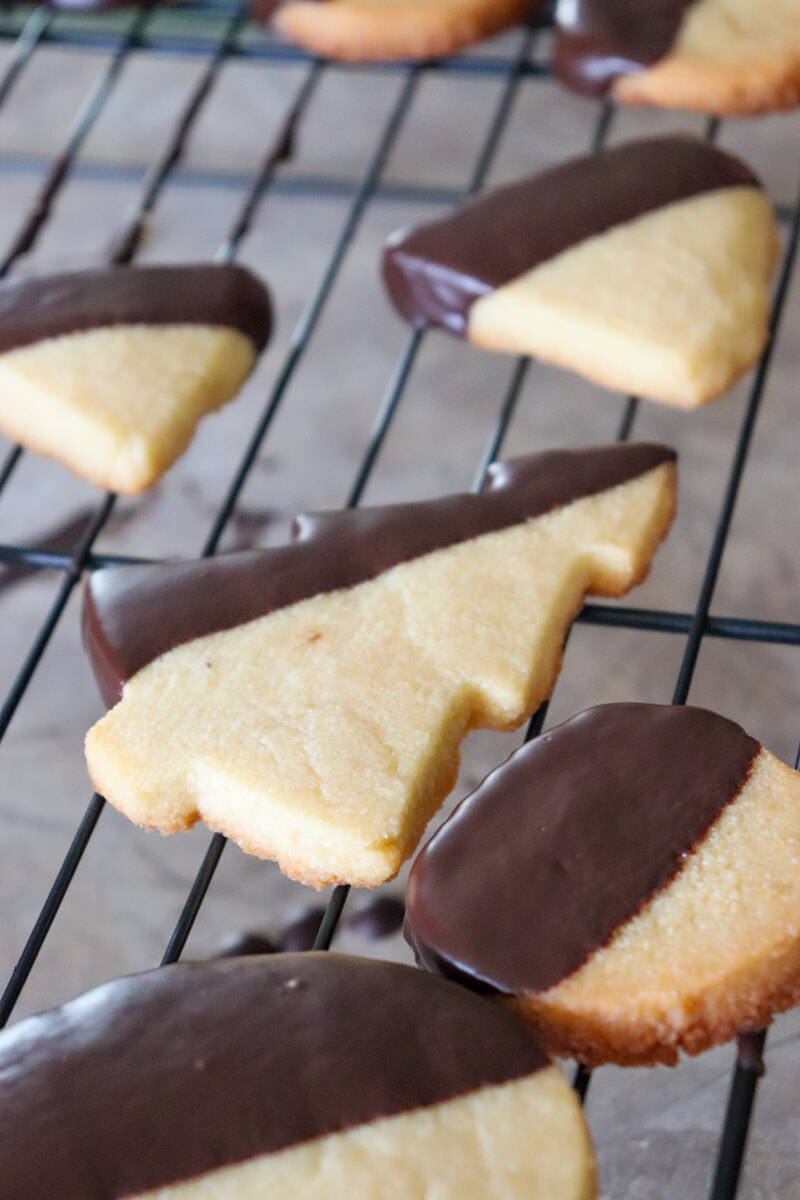
Microwave-Safe Bowl (Optional)
If you plan to make chocolate-dipped shortbread, a microwave-safe bowl makes melting chocolate quick and easy.
Minimal Tools, Maximum Reward
That's it, no mixer, no specialty equipment, and no complicated setup.
This low carb cookie recipe is designed to fit into real life, not take over your kitchen. A bowl, a spoon, and a baking sheet are enough to get buttery, delicious cookies on the table.
Ingredients (Plus What to Look For)
One of the best things about this recipe is how short and approachable the ingredient list is. That simplicity is intentional. When you're working with just a few key ingredients, quality matters, but nothing here needs to be fancy or hard to find.
Here's what you'll need, along with a few tips to help you get the best possible results.
For those who prefer not to use almond flour, a gluten free flour blend with xanthan gum can be substituted, though the texture and flavor of the shortbread may vary.
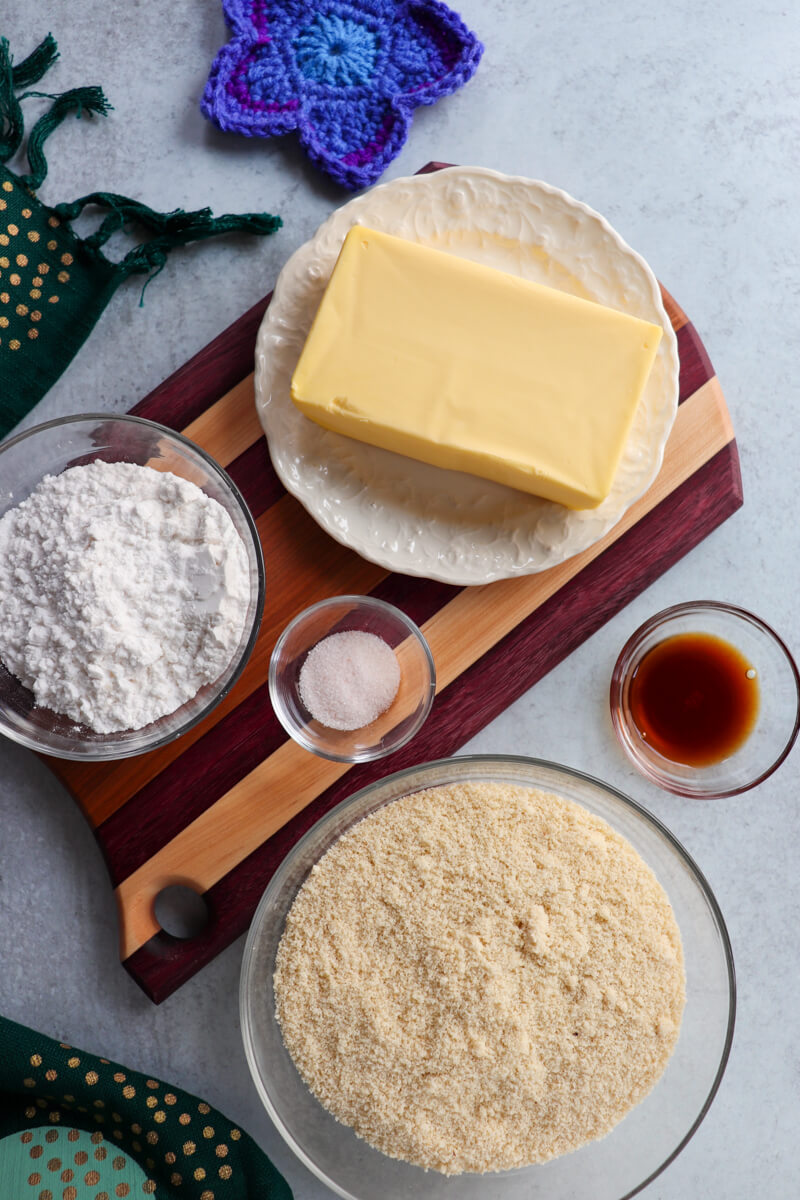
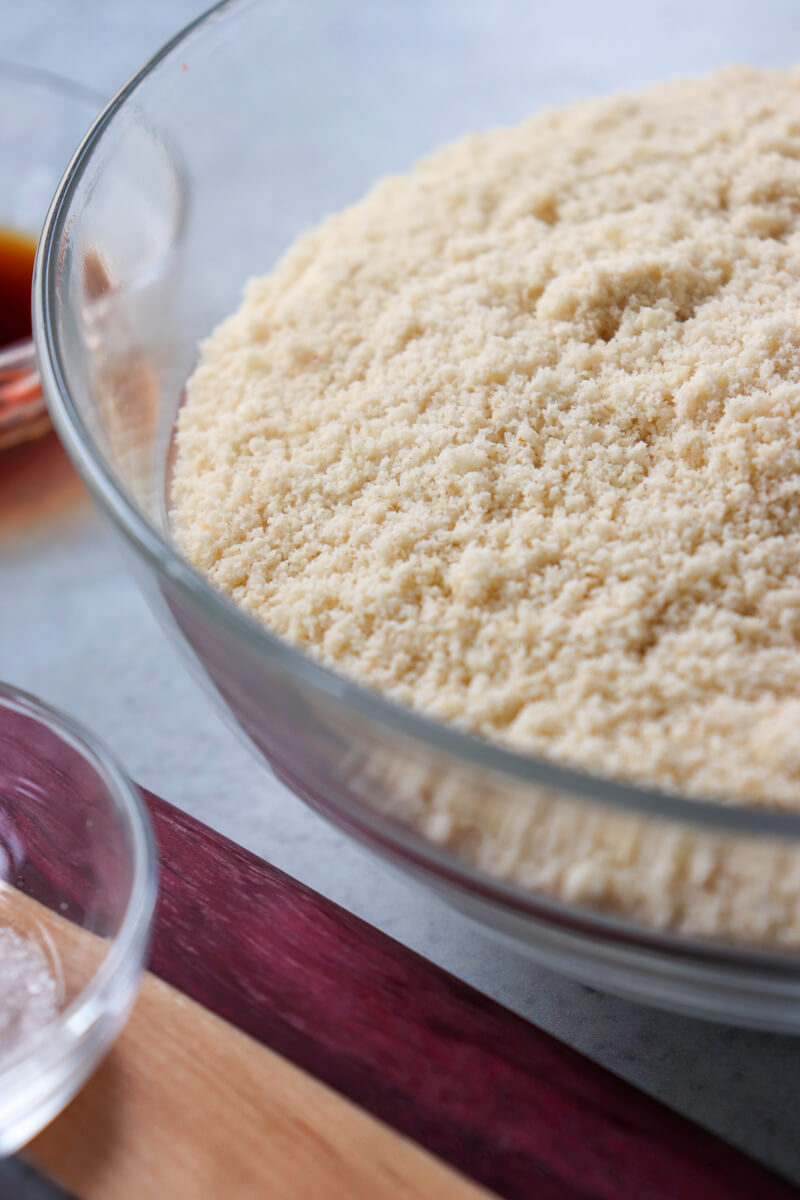
Almond Flour (Fine, Blanched)
You'll need 2½ cups of fine, blanched almond flour.
This is one place where texture really matters. Fine, blanched almond flour creates that smooth, classic shortbread feel. Almond meal or coarser almond flours can make shortbread cookies taste gritty or crumbly, which isn't what we're going for here.
If you use a gluten free flour blend instead of almond flour, check the ingredients to see if it contains xanthan gum. Xanthan gum helps with texture and binding in gluten free shortbread, preventing the cookies from becoming too crumbly.
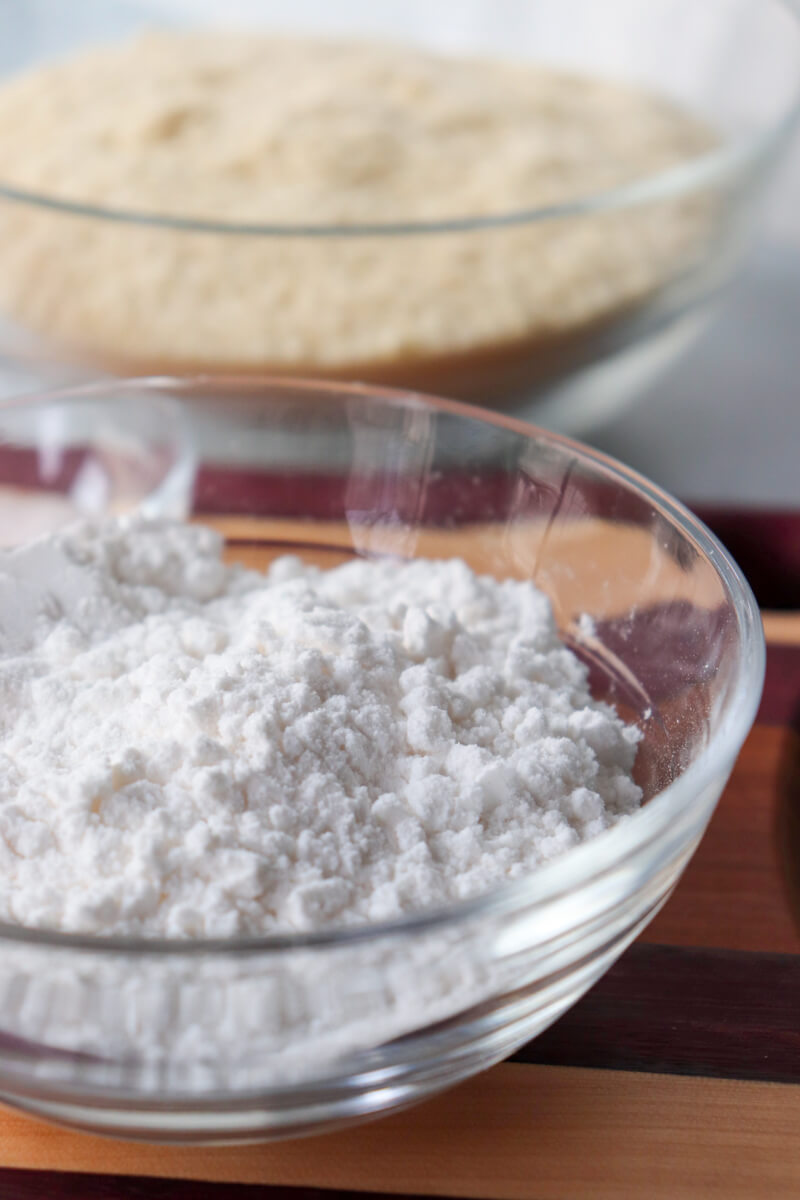
Powdered Sweetener of Your Choice
This recipe uses ½ cup powdered sweetener, or ⅔ cup if you prefer a slightly sweeter cookie.
The key word here is powdered. Powdered sweeteners dissolve much more smoothly into the dough, which helps the cookies melt in your mouth instead of tasting grainy. Granulated sugar is not recommended for this recipe, as it can make the cookies gritty.
You can use:
- Powdered monk fruit blends
- Powdered erythritol
- Other powdered sugar alternatives
Choose what works best for your household. This flexibility is what makes this shortbread cookie recipe work for both gluten free and low-carb lifestyles. If you choose to use a powdered allulose, just be aware it browns faster than other sweeteners and will change the flavor slightly.
Salt
You'll need ½ teaspoon salt, and yes, it matters.
Salt balances the sweetness and brings out the buttery flavor that makes shortbread taste like shortbread. Even in a simple cookie like this, skipping or reducing the salt can make the flavor fall flat.
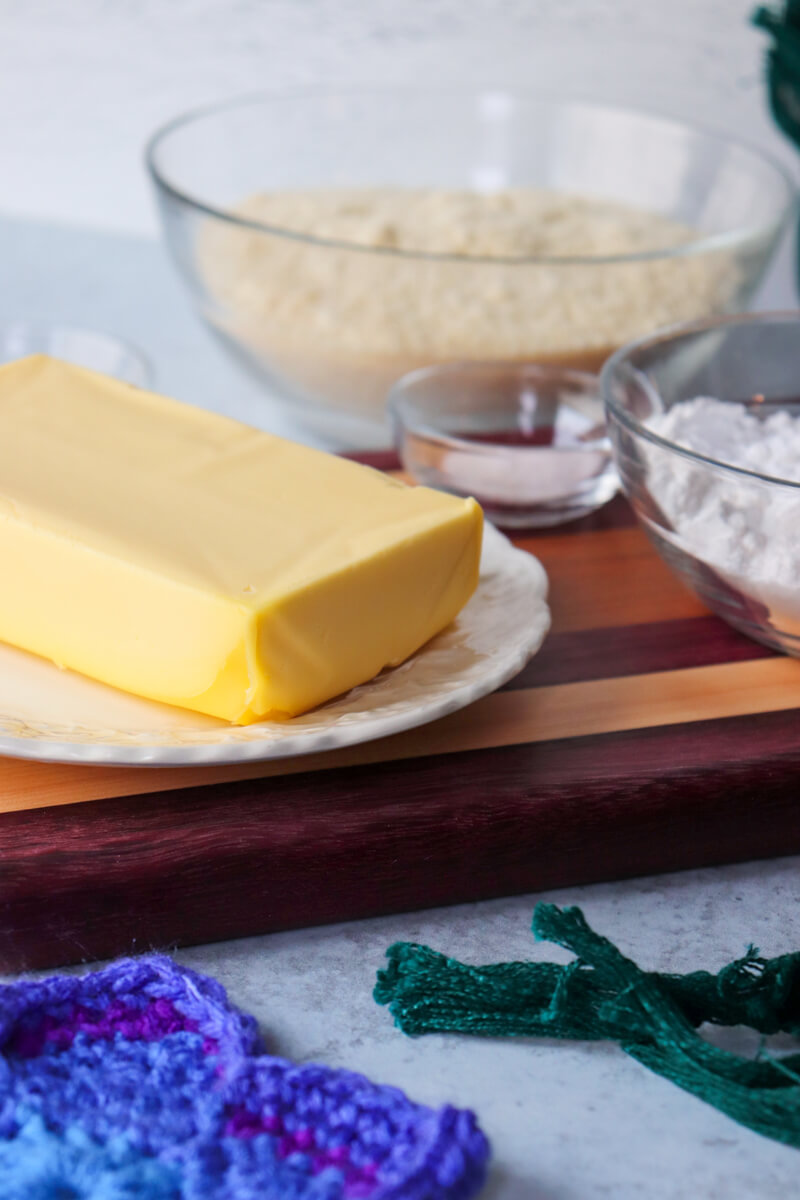
Unsalted Butter (Melted and Slightly Cooled)
This recipe calls for 9 tablespoons unsalted butter, melted and slightly cooled. For best results, let the butter come to cool room temperature before using. Using room temperature butter (or butter at cool room temperature) is important for achieving the right dough consistency and helps create a creamy, thick mixture without making the cookies greasy.
Butter is the star of shortbread, so use one you like the taste of. I like to use a good grass fed butter. Melting the butter makes the dough easy to mix by hand, while letting it cool slightly keeps the cookies from spreading too much in the oven.
Unsalted butter gives you better control over flavor.
Vanilla Extract
You'll use 2 teaspoons vanilla extract, which adds warmth and depth without overpowering the buttery base.
Optional Add-Ins for Flavor Variations
Once you've mastered the base recipe, these simple add-ins make it easy to customize for holidays or special occasions.
Almond Extract
Adding 1 teaspoon almond extract gives the cookies a bakery-style flavor that pairs beautifully with the buttery dough.
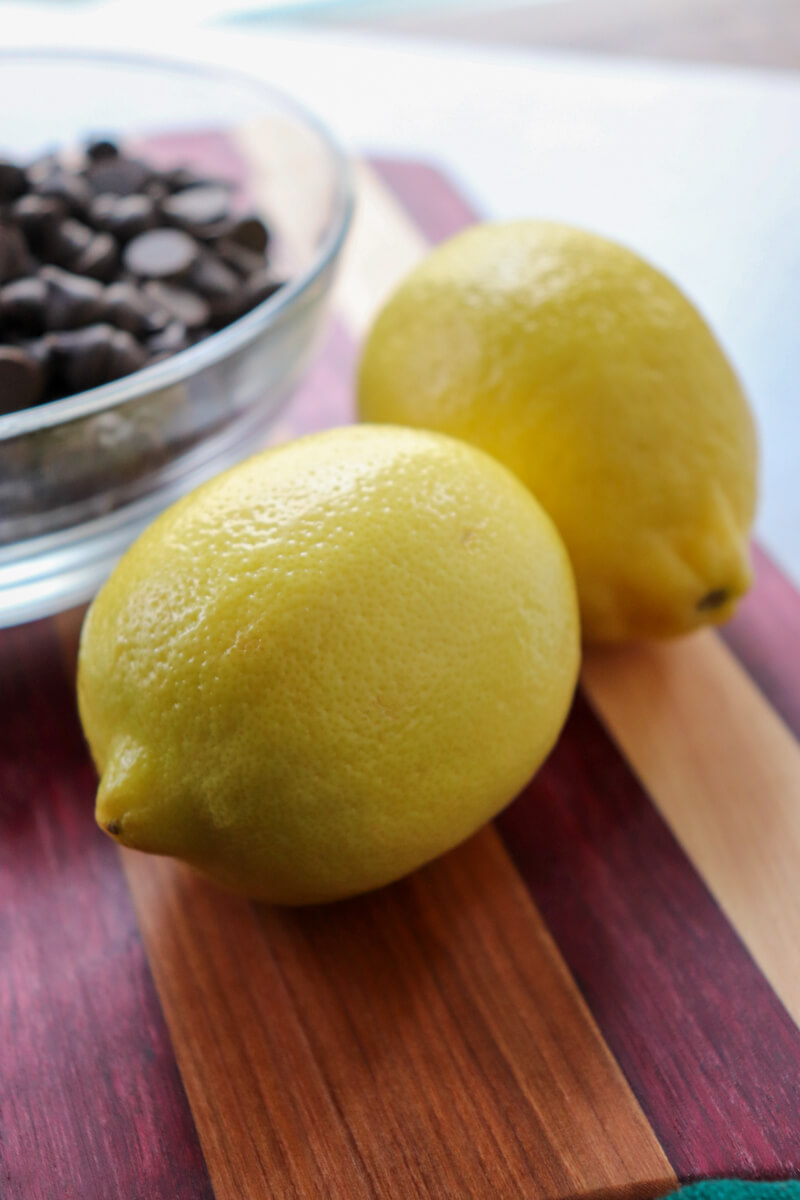
Lemon Zest
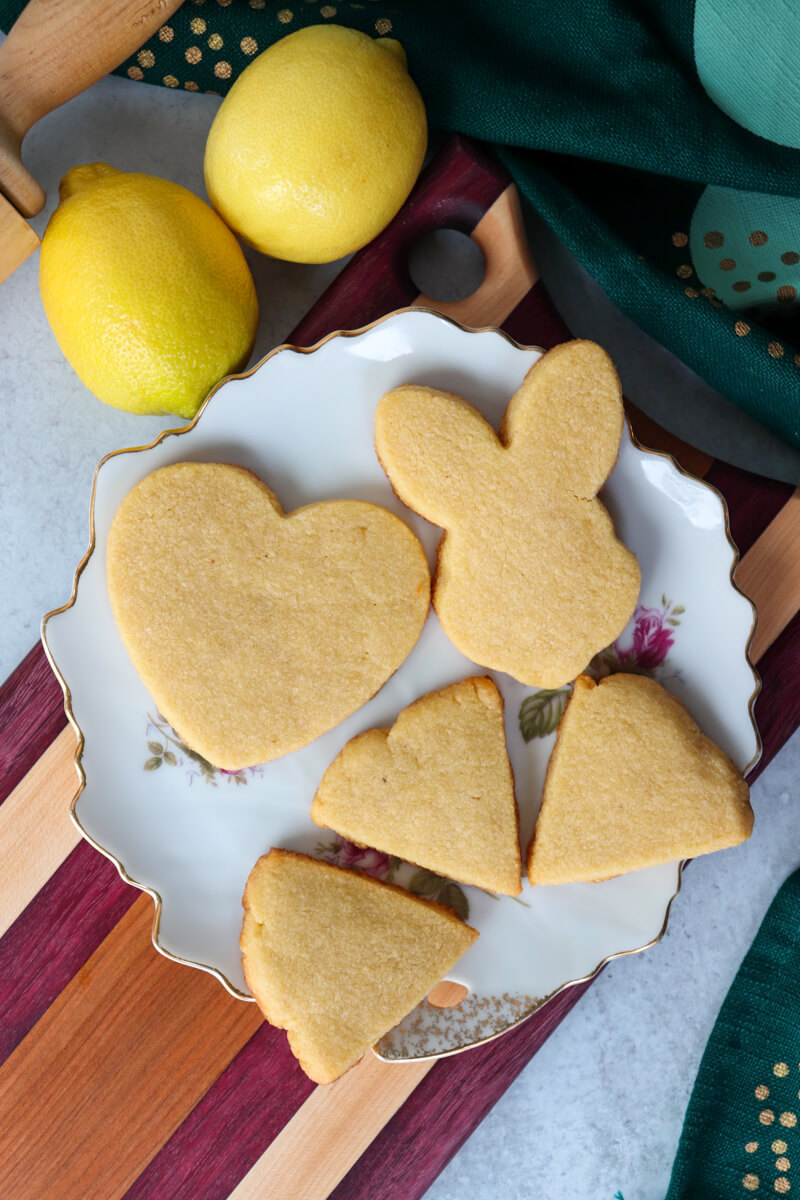
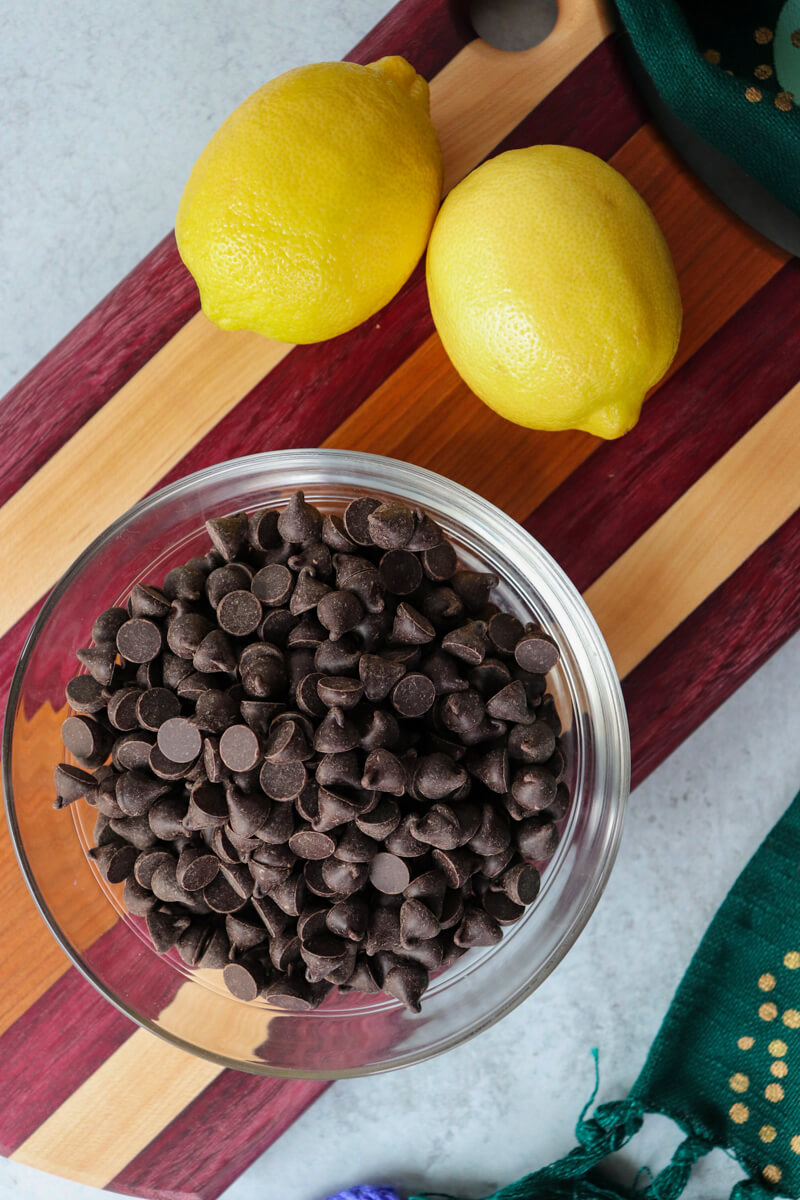
The zest of 1 lemon adds a fresh, bright note that's perfect for spring, brunches, or anyone who loves citrusy desserts. You can also add in half a teaspoon of lemon extract for more citrus flavor.
Chocolate for Dipping
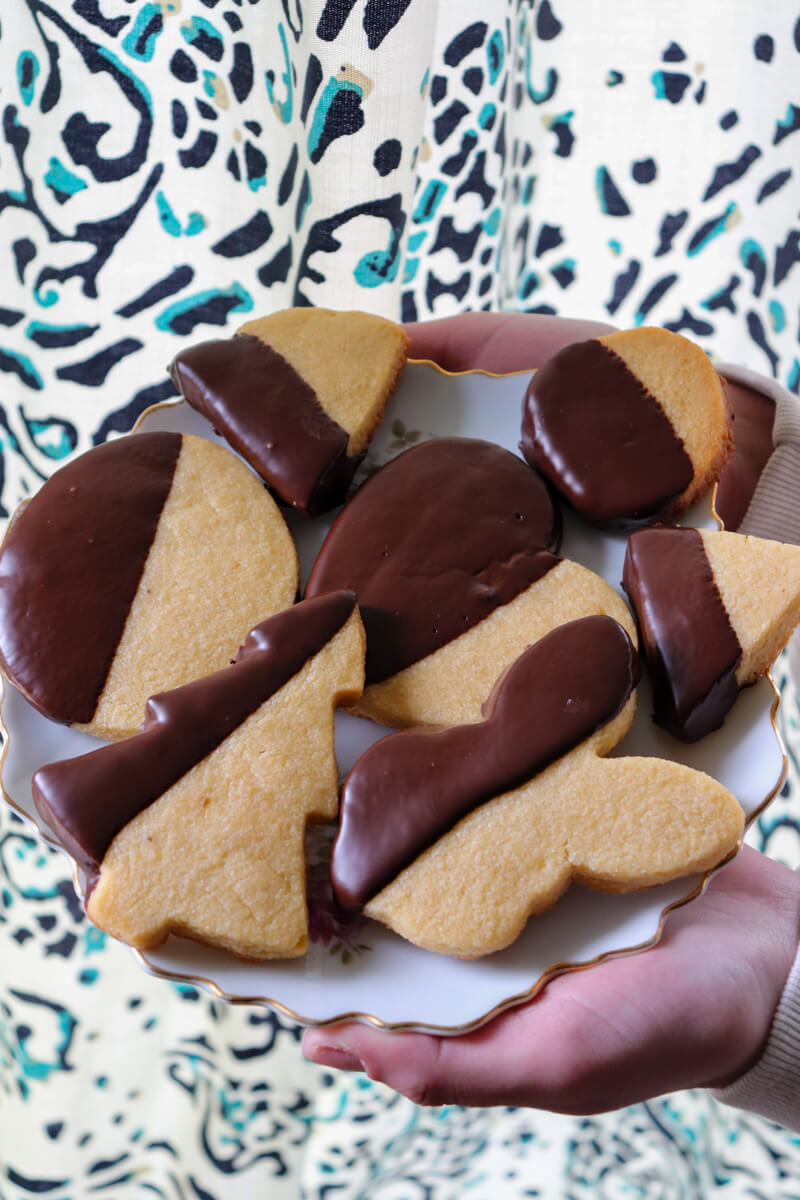
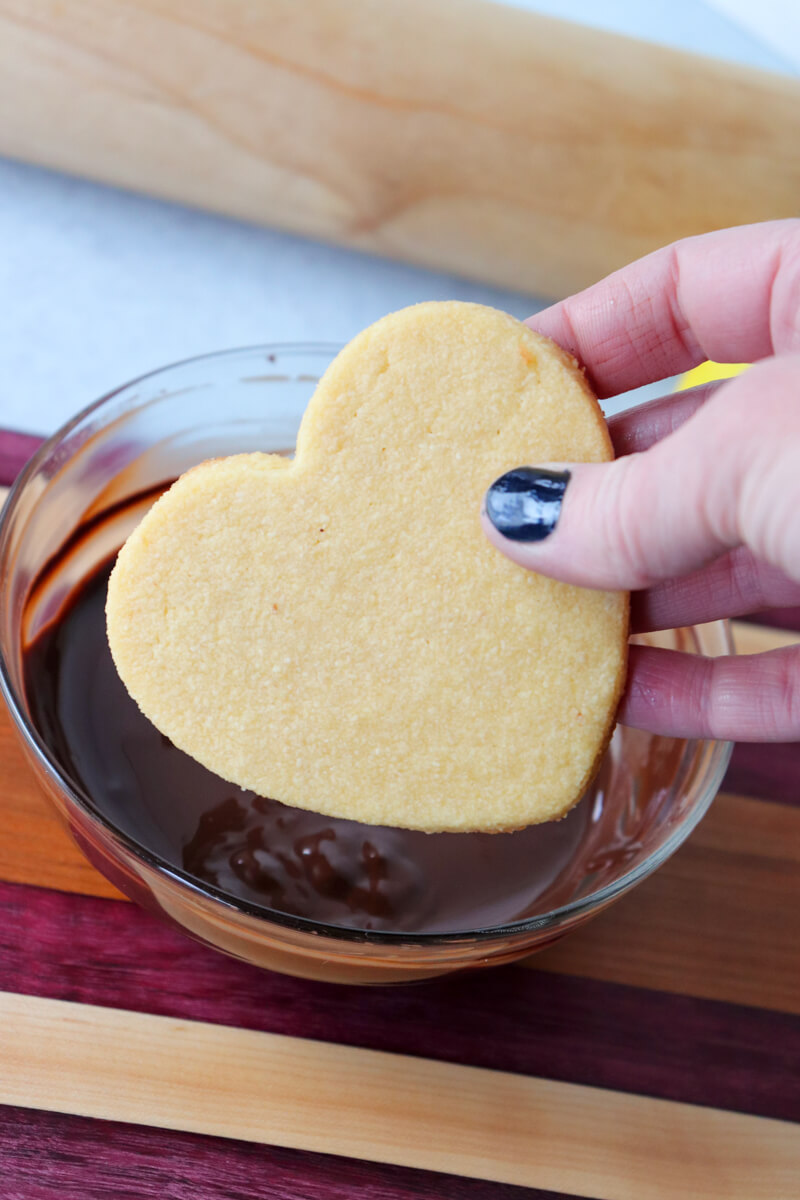
Dip half of each cookie in chocolate of your choice, sugar free or regular. This is an easy way to dress up the cookies for gifting or holiday trays.
How to Make Gluten Free Shortbread (Let's Do This Together)
First things first, go ahead and preheat your oven to 325°F (165°C). This lower temperature is perfect for shortbread because it lets the cookies bake evenly without browning too quickly. Line a prepared pan (baking sheet lined with parchment paper or silicone mat) and set it aside so it's ready when you are.
Now grab a medium mixing bowl and let's start with the dry ingredients. Add the almond flour, powdered sweetener, and salt, and give everything a good whisk. You're just making sure the sweetener and salt are evenly distributed so every bite tastes just right.
Next comes the fun part. Pour in the melted (but slightly cooled) butter and add the vanilla extract. If you're using a stand or hand mixer, cream the mixture on medium high speed until it forms a thick layer.
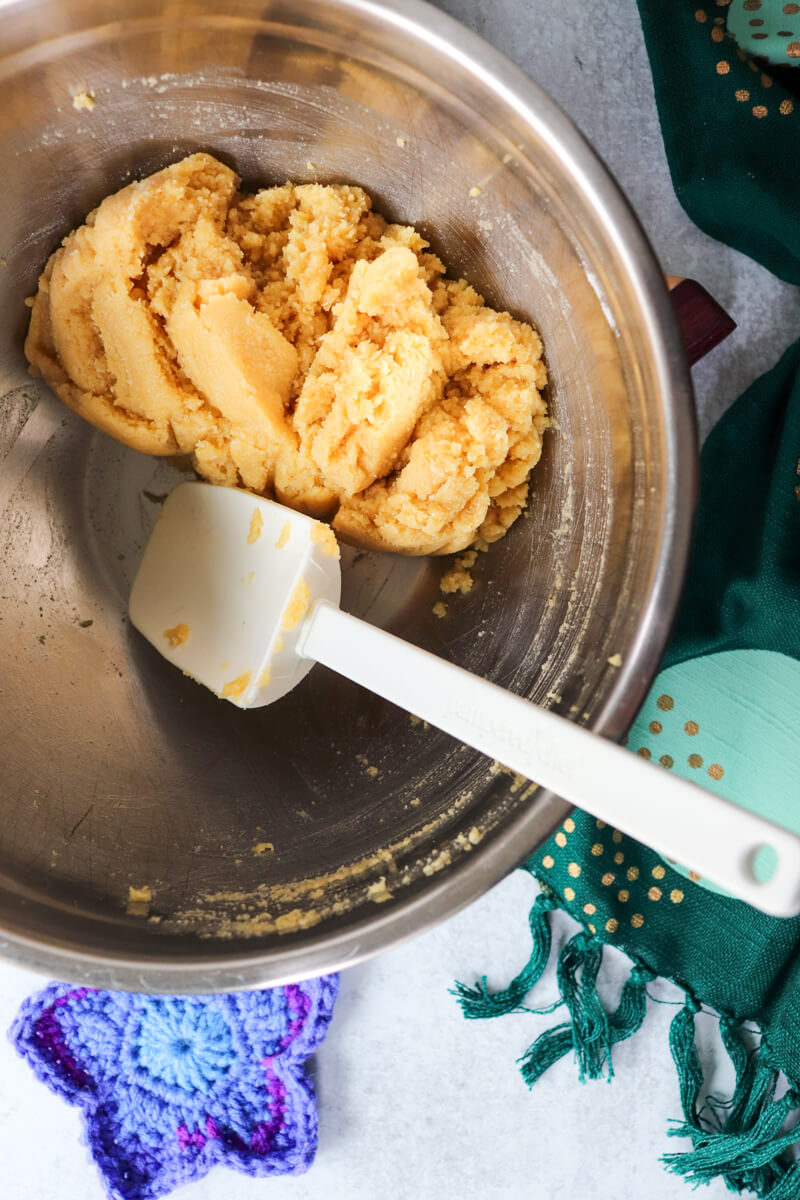
Stir everything together with a spatula or spoon until a soft dough forms. It might look like a crumbly dough at first, but don't panic, that's exactly how gluten free shortbread dough should look. When you press it together with your hands, it should hold without feeling wet or sticky.
Chill the Dough
Once the dough comes together, it needs a short break. Chill the dough for about 20 minutes. This step helps the butter firm up so the cookies hold their shape in the oven.
You've got options here: you can shape the dough into a log if you want easy, evenly sized slices later, or press it into a flat disc if you plan to roll it out or use cookie cutters. Roll it up in cling film or foil and stick in in the fridge or freezer. I tend to put the dough in the freezer for 20 minutes if I plan a log shape to slice and bake.
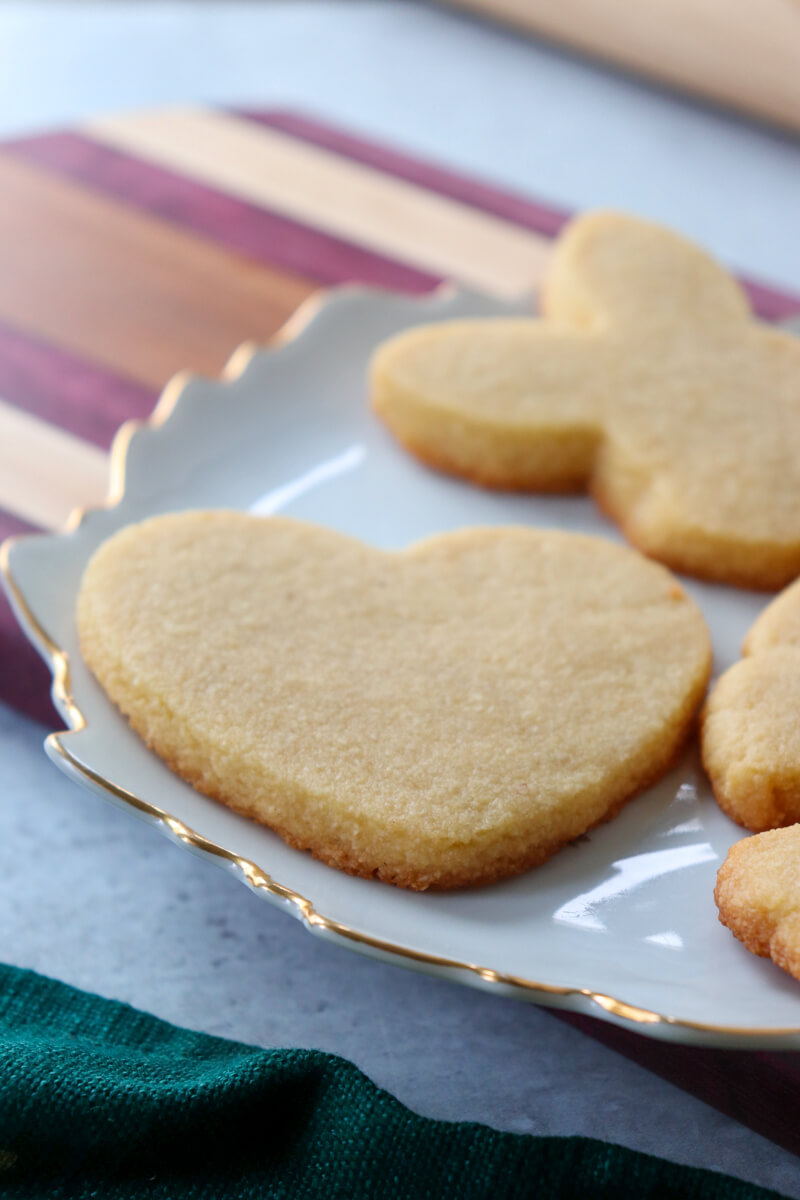
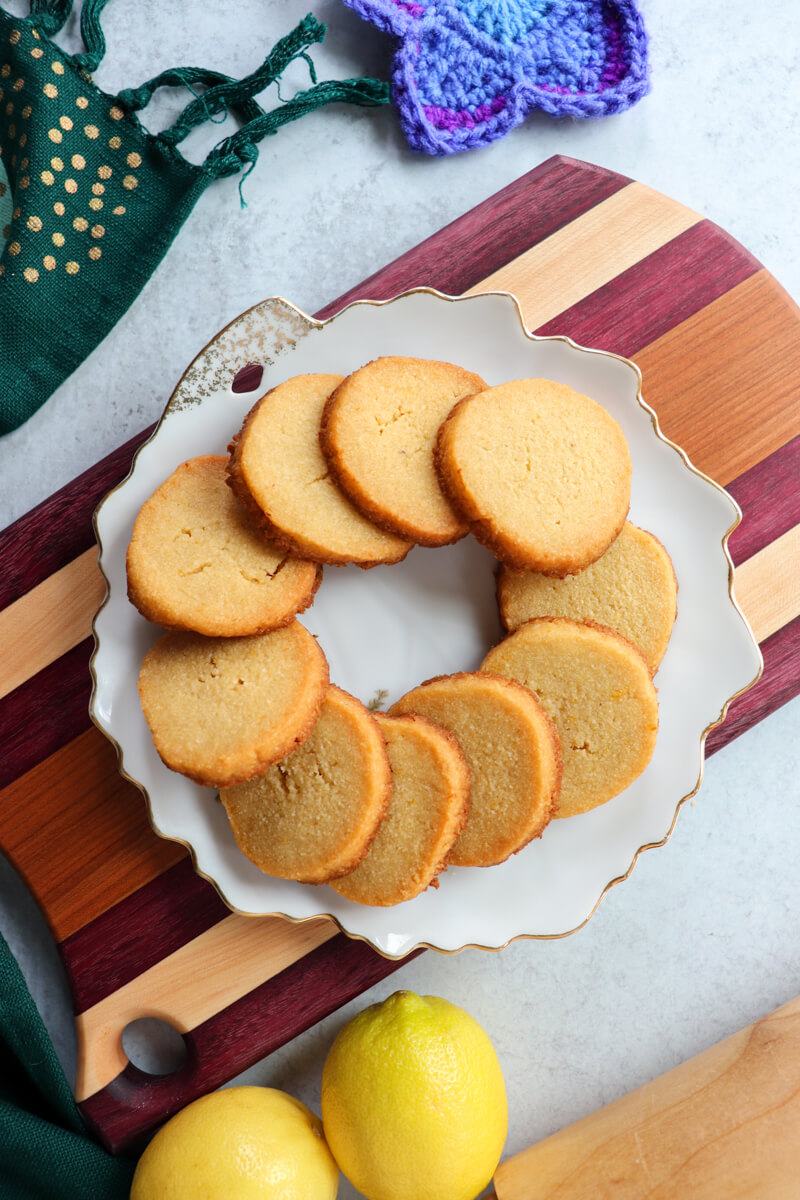
After chilling, it's time to shape the cookies, and this is where you get to choose your own adventure. If you want classic shortbread, slice the dough into rectangles or wedges. For super easy round cookies, freezing the dough in a log for about 20 minutes makes slicing into about 16 even rounds effortless.
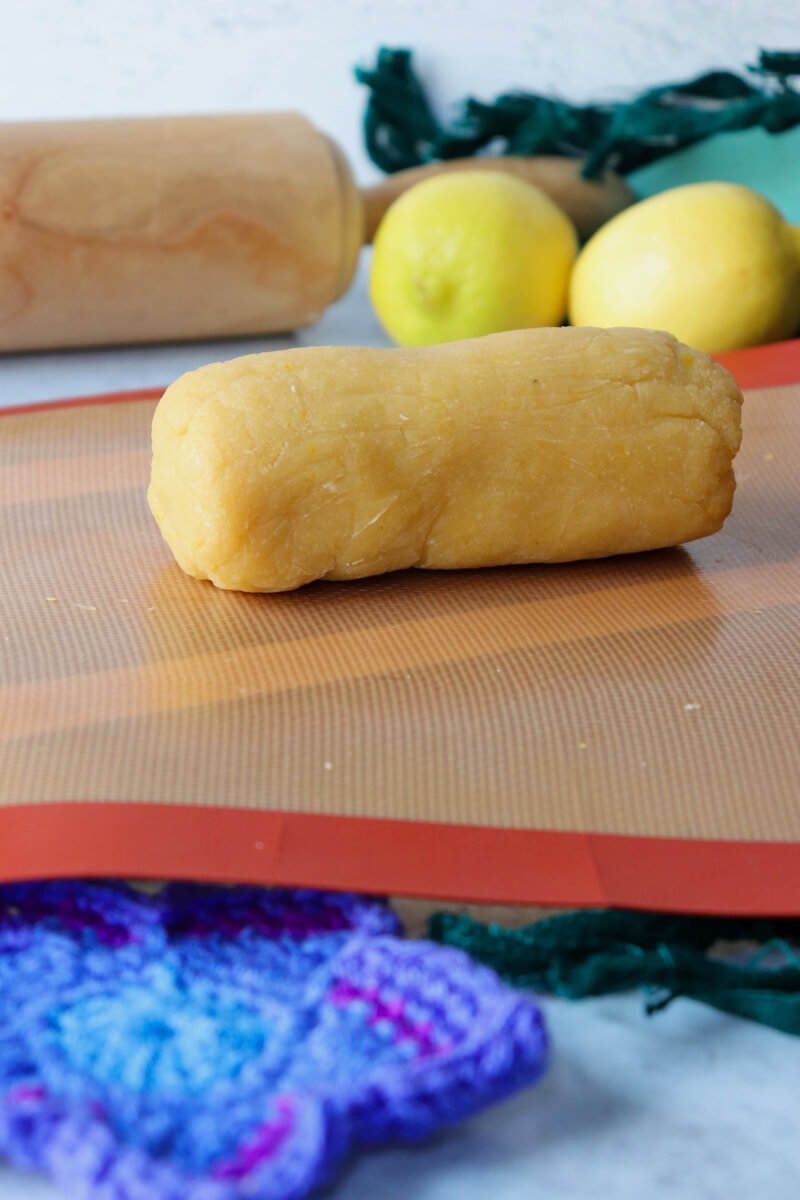
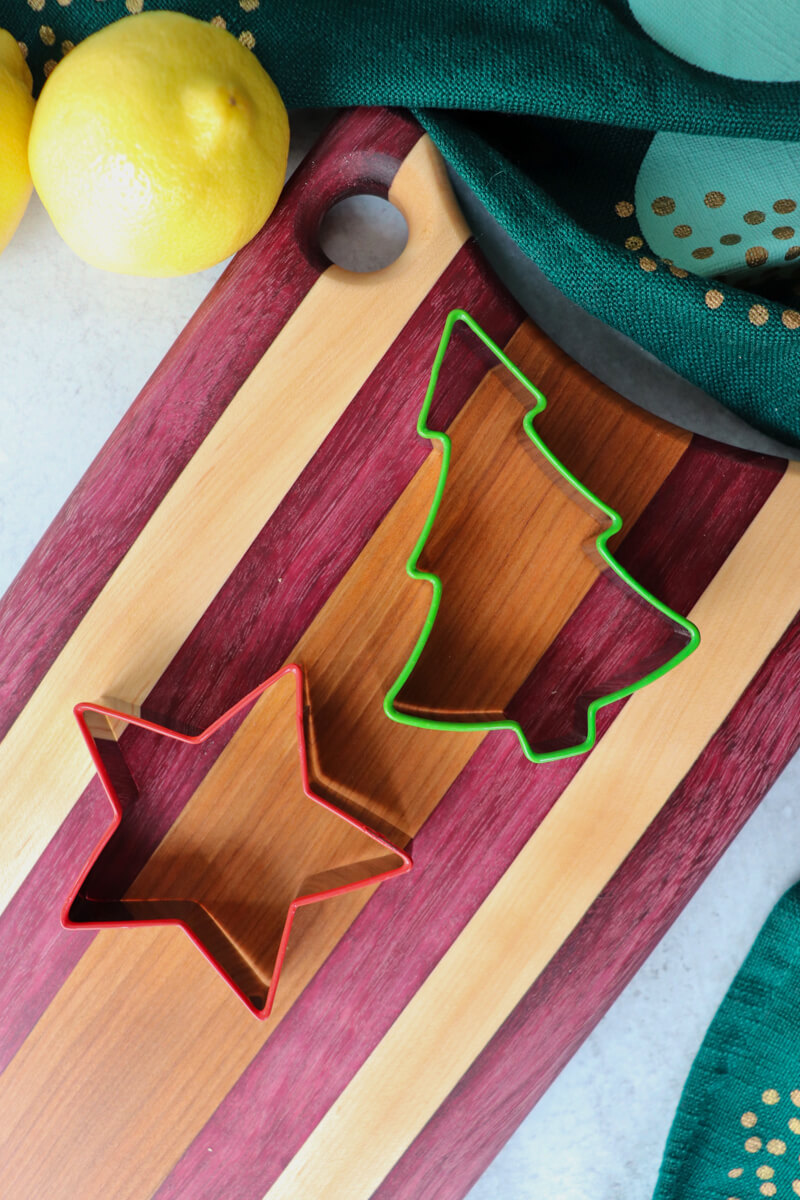
And if you're feeling festive, go ahead and roll the dough out and use cookie cutters. When pressing or rolling out the dough, make sure to create an even layer for uniform baking. A bench scraper or sharp knife works well for shaping, and transferring the dough to a cutting board makes slicing easier.
Once shaped, place the cookies on your prepared pan and slide them into the preheated oven. Bake for 12 to 15 minutes, keeping an eye on them toward the end. You're looking for edges that are just barely turning lightly golden or lightly golden brown. Shortbread should stay pale and buttery, if it gets too brown, it'll lose that tender texture.
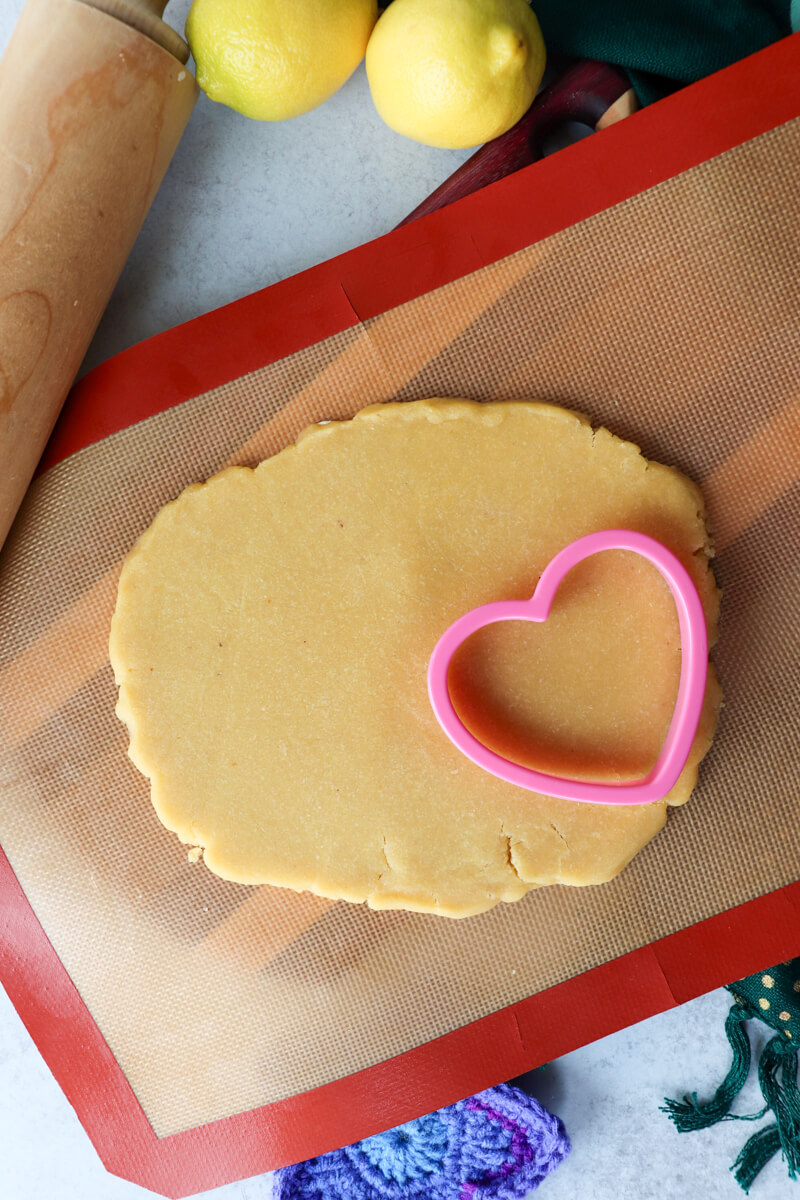
When the cookies come out of the oven, this is the hardest part: let the shortbread cool completely on the baking sheet. Almond flour cookies are delicate when warm and will fall apart if you try to move them too soon. As they cool, they'll firm up into that perfect shortbread texture, slightly crumbly in the best way.
Once they're cool, you're officially done, and very deserving of a cookie and a cup of coffee.

Holiday Variations for Keto Shortbread Cookies
One of the reasons shortbread has stood the test of time is how endlessly adaptable it is. This simple shortbread cookie recipe is the perfect blank canvas. You can dress it up for the holidays, keep it classic, or customize it based on what you have on hand.
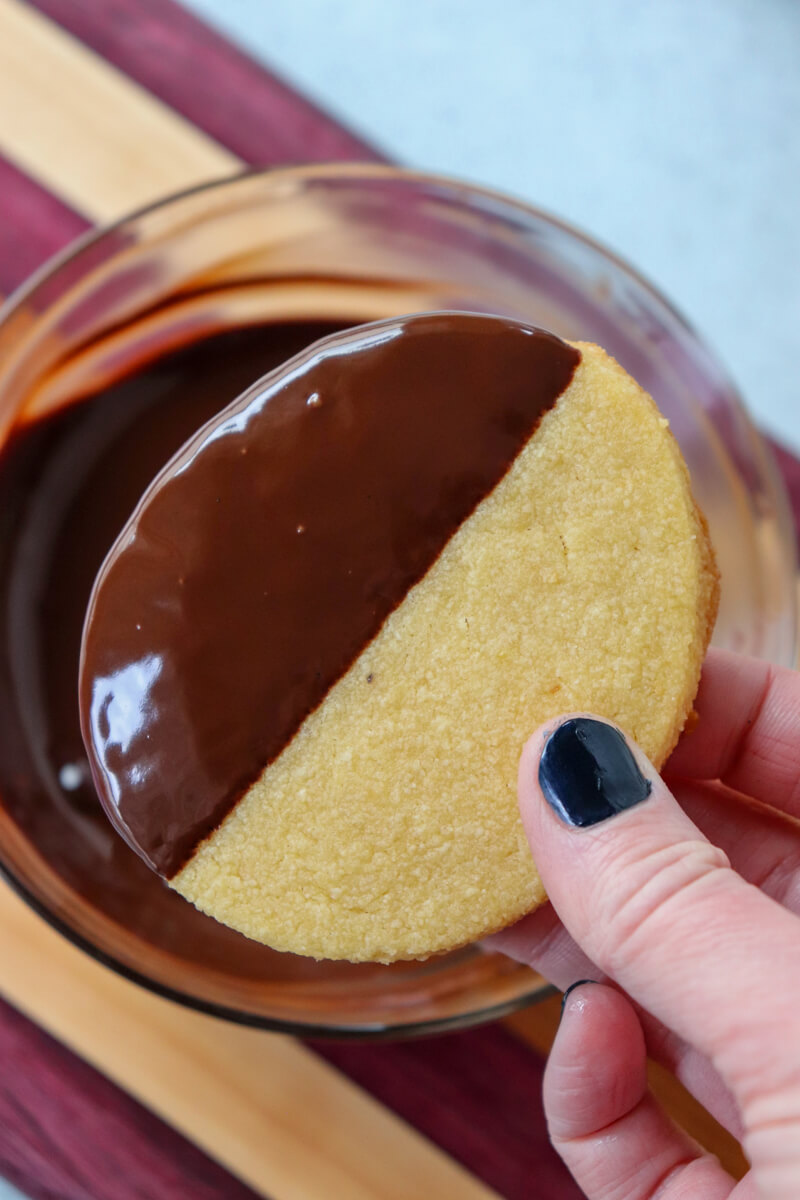
Chocolate-Dipped Keto Shortbread Cookies
Chocolate-dipped shortbread is a classic for a reason. The combination of buttery cookie and rich chocolate feels indulgent without being overly sweet, and it's incredibly easy to do.
How to Make Chocolate-Dipped Keto Shortbread:
- Prepare and bake the shortbread cookies as directed.
- Let cookies cool completely.
- Melt sugar-free chocolate (dark or semi-sweet) in a microwave-safe bowl in 20-30 second intervals, stirring until smooth. Add a teaspoon of coconut oil at a time and mix in if it's too thick.
- Dip half of each cookie into the melted chocolate.
- Place on parchment paper and allow chocolate to set at room temperature or in the refrigerator.
Perfect for: Christmas cookie trays, Valentine's Day treats, or edible gifts.
Lemon Keto Shortbread Cookies
If you love bright, fresh flavors, this variation is a must. Lemon shortbread feels especially perfect for spring holidays, brunches, and afternoon coffee breaks.
How to Make Lemon Keto Shortbread:
- Add 1 teaspoon fresh lemon zest to the dough when mixing ingredients.
- Optional: Add ½ teaspoon lemon extract for a stronger citrus flavor.
For an extra lemony finish, drizzle with a simple sugar-free lemon glaze made from powdered monk fruit sweetener and fresh lemon juice.
Perfect for: Easter, Mother's Day, spring brunches, or anytime you want something light and fresh.
Keto Thumbprint Shortbread Cookies
Thumbprint cookies are always a favorite, and they're surprisingly easy to make keto-friendly.
How to Make Keto Thumbprint Cookies:
- Roll dough into 1-inch balls.
- Place on the baking sheet and gently press your thumb or the back of a spoon into the center of each cookie.
- Bake as directed.
- Once cooled, fill the center with:
- Sugar-free raspberry or strawberry jam
- Keto lemon curd
- Keto Chocolate Ganache
Tips:
- Add fillings after baking to keep textures clean and prevent spreading.
- Keep fillings simple and thick so they hold their shape.
Perfect for: Holiday cookie swaps, parties, or when you want a cookie that looks impressive with minimal effort.

Mix-and-Match Holiday Cookie Tray Ideas
If you're putting together a keto cookie tray, this recipe makes it easy:
- Leave some cookies plain
- Dip some in chocolate
- Turn a few into thumbprints
- Add lemon zest to one batch
One base recipe. Multiple looks. Zero extra stress.
Gluten Free Shortbread Cookie Recipe FAQs
Is shortbread naturally gluten free?
Traditional shortbread is not gluten free because it's made with wheat flour. However, this shortbread cookie recipe replaces wheat flour with almond flour, making it naturally gluten free while still keeping the classic buttery shortbread texture and flavor.
What is the best flour for gluten free shortbread?
Fine, blanched almond flour works best for gluten free shortbread cookies. It creates a smooth, tender texture that closely mimics traditional shortbread. Avoid almond meal, which is more coarse and can make cookies gritty or crumbly.
Can I use a different gluten free flour?
Almond flour is recommended for best results, but some readers have had success with finely milled gluten free flour blends designed for baking. Keep in mind that texture and flavor may vary, and results won't be quite as rich or buttery as almond flour shortbread.
What sweetener works best in gluten free shortbread?
For the smoothest texture, use your preferred powdered sweetener. Powdered sweeteners dissolve more evenly into the butter, preventing grit and helping the cookies melt in your mouth.
Good options include:
- Powdered monk fruit blends
- Powdered erythritol
- Powdered sugar alternatives
Granulated sweeteners are not recommended for this gluten free shortbread cookies recipe.
Can I make this gluten free shortbread dairy free?
This recipe relies on butter for classic shortbread flavor and texture. While dairy-free butter substitutes may work, results can vary depending on the brand.
Note: Earth Balance buttery sticks are not recommended for gluten free shortbread cookies due to their high moisture content, which can affect the texture. For better results, try using Melt brand or Miyoko's Kitchen vegan butter as alternatives. For best flavor and structure, real butter is recommended.
Why is my gluten free shortbread crumbly?
Gluten free shortbread can become crumbly if:
- The flour is too coarse
- The dough wasn't chilled
- Too much flour was added
Make sure to use fine almond flour, chill the dough, and gently press cookies together if shaping by hand.
Do I need to chill gluten free shortbread dough?
Yes, chilling the dough for about 20 minutes helps the cookies hold their shape and bake evenly. This step is especially important in gluten free baking, where doughs can be softer than traditional ones.
Can I freeze gluten free shortbread cookies?
Yes! Gluten free shortbread cookies freez very well.
- Freeze baked cookies for up to 3 months
- Freeze unbaked dough for up to 3 months
Allow cookies to thaw at room temperature before serving for best texture.
How long does gluten free shortbread stay fresh?
Stored in an airtight container:
- Room temperature: up to 5 days
- Refrigerated: up to 10 days
These cookies actually improve slightly after the first day as the texture sets.
Can I make this gluten free shortbread recipe ahead of time?
Absolutely. This is a great make-ahead cookie for holidays and events. Bake 1-2 days in advance or freeze the dough until ready to use.
Is this gluten free shortbread recipe also low carb?
This gluten free shortbread cookies recipe is naturally lower in carbs due to the use of almond flour and powdered sugar alternatives. However, nutritional needs vary, so always check ingredients based on your personal dietary goals.
Why Simple Recipes Matter More Than Perfect Ones
If there's one thing I've learned over the years, it's this:
You don't need perfect recipes. You need repeatable ones.
The best gluten free shortbread cookies recipe isn't the most impressive one, it's the one you'll actually make again.
This recipe is forgiving. It doesn't demand perfection, and it works whether you shape the cookies into rounds, slice them into bars, or turn them into thumbprints. It holds up well, stores beautifully, and freezes like a dream.
That's the kind of recipe that earns a permanent spot in your rotation.
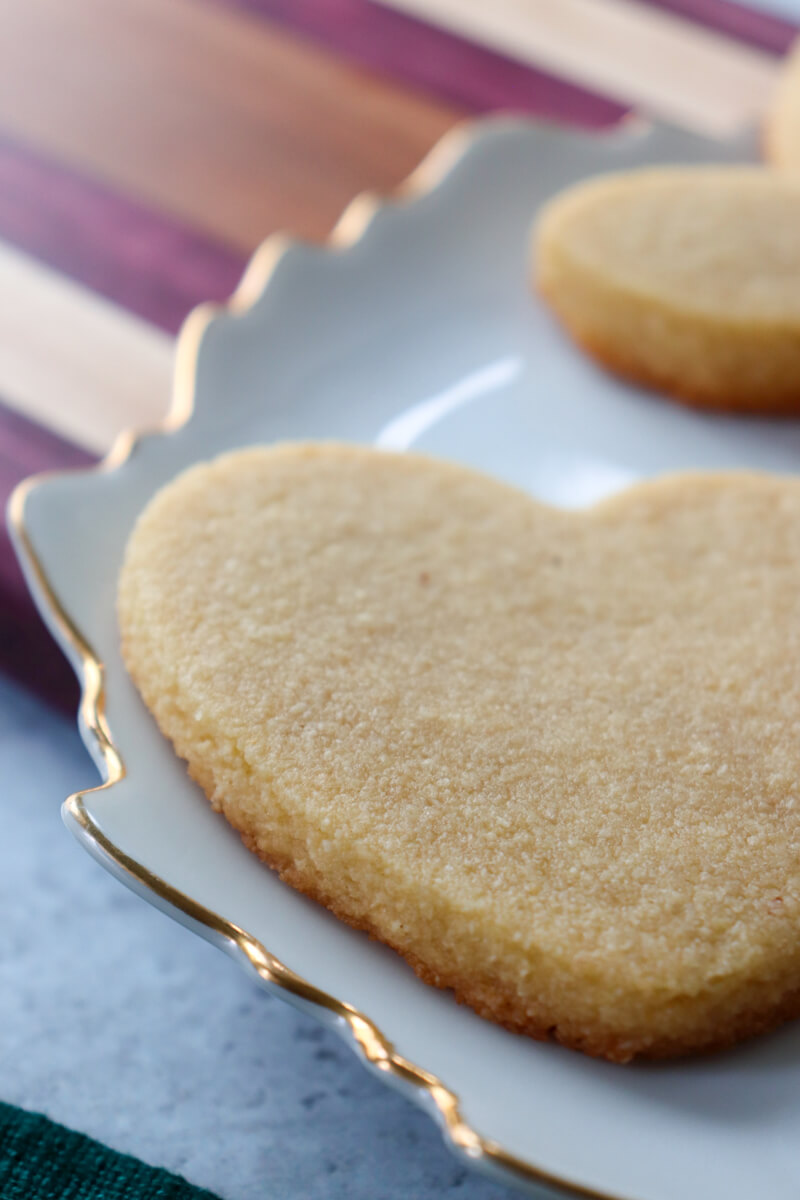
A Gluten Free Shortbread Recipe You'll Memorize
After you make this once or twice, you'll know it by heart. You'll recognize the dough texture, know exactly how long your oven needs. You'll start playing with variations without even thinking about it. That's when baking stops feeling like a project and starts feeling like comfort.
And honestly? That's the whole point.
Pin it for later here:
📖 Recipe

Easy Gluten Free Shortbread
This gluten free shortbread is rich, buttery, and incredibly easy to make. A simple gluten free shortbread recipe using almond flour and your preferred powdered sweetener; perfect for everyday treats or holidays.
Ingredients
- 2 ½ cups almond flour (fine, blanched)
- ½ cup powdered sweetener of your choice (⅔ cup if you prefer a sweeter cookie)
- ½ teaspoon salt
- 9 tablespoon unsalted butter, melted and slightly cooled
- 2 teaspoons vanilla extract
Optional Add-Ins:
- 1 teaspoon almond extract
- Zest of 1 lemon
- Chocolate for dipping (sugar free or not, as you prefer)
Instructions
- Preheat the oven to 325°F (165°C). Line a baking sheet with parchment paper.
- Mix the dry ingredients in a medium bowl. Whisk together the almond flour, powdered sweetener, and salt.
- Add the wet ingredients. Stir in the melted butter and vanilla extract until a soft dough forms. It will be slightly crumbly but should hold together when pressed.
- Chill the dough for 20 minutes. This helps prevent spreading and gives the cookies their classic shortbread shape. You can do this in a log form for easy slicing, or a disc to roll out and use with cookie cutters.
- Shape the cookies. There are many options. You can cut in traditional rectangles, form a circle and cut out slices, or use cookie cutters. Easily make simple circles by freezing the dough in a log for 20 minutes and slicing the log into 16 circular cookies.
- Bake for 12–15 minutes, until the edges are just turning golden. Do not overbake; shortbread should be pale with lightly browned edges.
- Cool completely on the baking sheet. The cookies will firm up as they cool. (This is very important when using almond flour as they will fall apart if you don't let them cool.)
Notes
Notes
- Sweetener: Use your preferred powdered sweetener for the smoothest texture. Powdered monk fruit, powdered erythritol blends, or other powdered sugar alternatives or regular powdered sugar all work well in this gluten free shortbread recipe. Avoid granulated sweeteners, which can create a gritty texture. If you use allulose, it will brown faster and change the flavor slightly.
- Chocolate-Dipped Shortbread: Once cookies are completely cooled, melt (sugar-free) chocolate and dip half of each cookie. Place on parchment paper and allow the chocolate to set at room temperature or in the refrigerator. A light sprinkle of flaky sea salt is optional but delicious.
- Lemon Shortbread Variation: Add 1 teaspoon fresh lemon zest to the dough for a bright citrus flavor. For a stronger lemon taste, add ½ teaspoon lemon extract.
- Thumbprint Cookies: Roll dough into balls and gently press a thumbprint into the center before baking. After baking and cooling, fill with sugar-free jam, lemon curd, a sugar-free chocolate spread, or a keto ganache.
- Texture Tip: Cookies will be soft when warm and firm up as they cool. Allow them to cool completely before moving or dipping.
Nutrition Information:
Yield: 16 Serving Size: 1 cookieAmount Per Serving: Calories: 165Total Fat: 15gCarbohydrates: 4gNet Carbohydrates: 2gFiber: 2gProtein: 4g
*Nutrition Facts per MyFitnessPal dot com. For the most accurate facts, calculate your own with the exact ingredients you use in the recipe.
More Gluten Free Cookie Recipes to Try at Explorer Momma
🍪 Gluten Free Zucchini Breakfast Cookies
Need a snack that's a little more wholesome but still cookie-forward? These chewy keto breakfast cookies use almond and coconut flours with zucchini and pumpkin seeds for texture and flavor that feels more like a treat than a "healthy bite." They make an awesome grab-and-go option any time of day.
👉 Try the recipe here: Keto Breakfast Cookies (Low Carb & Gluten Free)
🍋 Gluten Free Lemon Cookies
Bright, zesty, and perfect with tea or coffee, these lemon almond cookies are soft and gluten free with a citrusy kick that makes them perfect for spring or afternoon treats. They're also low carb, thanks to almond and coconut flours and your choice of sweetener.
👉 Check out the Low Carb Lemon Cookies recipe
🍵 Gluten Free Matcha Cookies
Looking for something unique with a little green tea flair? These gluten free matcha cookies are chewy, subtly minty (with matcha and chocolate chips), and packed with antioxidants. They're naturally gluten free and work beautifully with tea, coffee, or as a snack when you're craving something a bit different.
👉 Make Gluten Free Matcha Cookies (Keto & Low Carb) here
🇬🇷 Greek Almond Cookies (Amygdalota)
Want a cookie with a story? These delicate Greek almond cookies are inspired by a traditional recipe from Monemvasia, Greece. Light, nutty, and slightly soft with lemon or rose flavoring, they're perfect for coffee time or a special occasion.
👉 Try the Greek Almond Cookies: Amygdalota (Low Carb) recipe
🍪 Low Carb Cinnamon Pecan Cookies
Fall in love with spice all over again. These low carb cinnamon pecan cookies are perfectly cozy, and make a great pairing with hot drinks on cool afternoons.
👉 Check out the Low Carb Cinnamon Pecan Cookies recipe
Each of these gluten free cookie recipes uses almond flour (or another naturally gluten-free base), so they're great options if you want variety in your baking rotation, especially when you still want flavor and texture that feels indulgent but thoughtful.
Enjoy!

Leave a Reply